


No products in the cart.


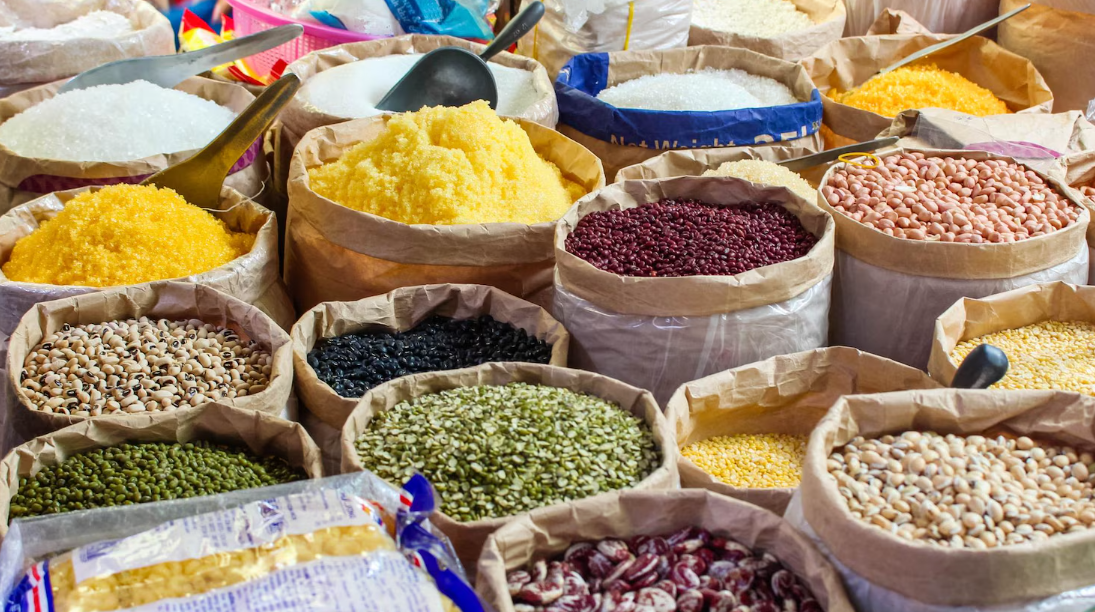
You live in Japan. You want to eat the way you did back home. But every trip to the local supermarket leaves you confused about where to find millets, seeds, and protein-rich dals.
The good news? Finding healthy Indian food in Japan is not as hard as you think. The same nutritious staples from Indian kitchens are available here. You just need to know what to look for and where to click.
Some foods never go out of style because they actually work well for daily cooking.
Here are four that deserve space in your kitchen:
You can find chia seeds japan through online Indian stores easily. Drop a spoonful in water or juice. They swell up and keep you full longer. Many people also mix them into roti dough or sprinkle them over yogurt.
Char magaz is a blend of four seeds – watermelon, melon, pumpkin, and cucumber. Grind them into a powder for warm milk. Or sprinkle whole over sabzi. The taste is mild and does not fight with your spices
Need a meat replacement that costs very little? Many shoppers looking for soya chunks japan options keep a bag in the cupboard for quick protein-rich meals. Soak in hot water for ten minutes, squeeze out the extra water, then cook like paneer. The chunks take on whatever masala you add.
Here is how to use both ingredients:
Most families start by mixing millet with regular rice, half and half. Nobody notices the difference in taste, but meals feel lighter.
White lobia does not get enough attention in most grocery conversations. Black-eyed peas cook faster than chickpeas or kidney beans. No overnight soaking needed. Just rinse and boil for about forty minutes.
Here is a quick look at what these indian health foods offer for your daily meals:
| Ingredient | What It Gives You |
| White lobia | Good amount of protein and fibre |
| Soya chunks | Very high protein for plant-based eaters |
| Foxtail millet | Steady energy without quick spikes |
| Chia seeds | Omega-3 and longer-lasting fullness |
Boil a big batch on Sunday. Use it three different ways during the week.
One ingredient gives you three entirely different meals.
Keep these five at home, and you will never struggle to make a quick meal:
Everything else is just extra flavor. With these five, you can make dal, roti, a protein dish, and a side within thirty minutes.
Walk into any natural food store in Tokyo or Osaka. You see quinoa, kale, and açai displayed everywhere.
Among superfoods japan shoppers include Indian staples like millets, seeds, and dals in daily meals. Japanese shoppers already eat fermented foods like natto and miso. Seaweed is normal here. Adding millets and seeds from India is a small and natural step.
The interest comes from the same place – wanting food that does more than just fill the stomach. People want meals that give steady energy without the crash. Indian superfoods deliver exactly that.
Easy ways to include Indian superfoods in meals
You have two choices. Run around Tokyo looking for specialty shops. Or open your phone and order everything from one place. Most people pick the second option these days.
If you want to buy Indian groceries online in japan, choose a store that stocks both everyday staples and health-focused Indian ingredients together. A good online shop will have chia seeds, three types of millet, soya chunks, white lobia, and char magaz all in one shopping cart. No running to three different stores. No asking friends to bring things from India.
Check the pack dates when your order shows up. Millets and seeds stay fresh for many months if you keep them in airtight containers. Soya chunks last even longer. The trick is using the oldest bag first. Rotate your stock like a small shop at home.
Bharat Bazaar brings these superfoods and grocery essentials straight to your door. Chia seeds, millets, soya chunks, white lobia, and char magaz—all available for delivery across Japan. Healthy eating starts with the right ingredients. Get them delivered. Cook them simply.
What are the healthiest Indian grocery products?
Millet, chia seeds, soy chunks, white lobia and char magaz. They provide you with protein, fiber, and minerals without added oils or sugars.
Can I buy chia seeds online in Japan?
Yes. Many Indian grocery sites serving Japan carry chia seeds in 250g to 1kg packs.
What is char magaz used for?
It is a blend of four seeds (watermelon, melon, pumpkin, and cucumber). People grind them into drinks, sprinkle them over curries, or mix them into dough for rotis.
Are soya chunks good for protein?
Yes, one of the best plant protein sources available, dry soy chunks contain approximately 52g of protein per 100g.
Which millet is best for daily eating?
Foxtail millet works well. It cooks quickly and has a mild taste that does not fight with your curries.


Orders from ¥2000 (T&C)

Always online 24/7

100% protected payment

Money back guarantee
Leave a comment