


No products in the cart.


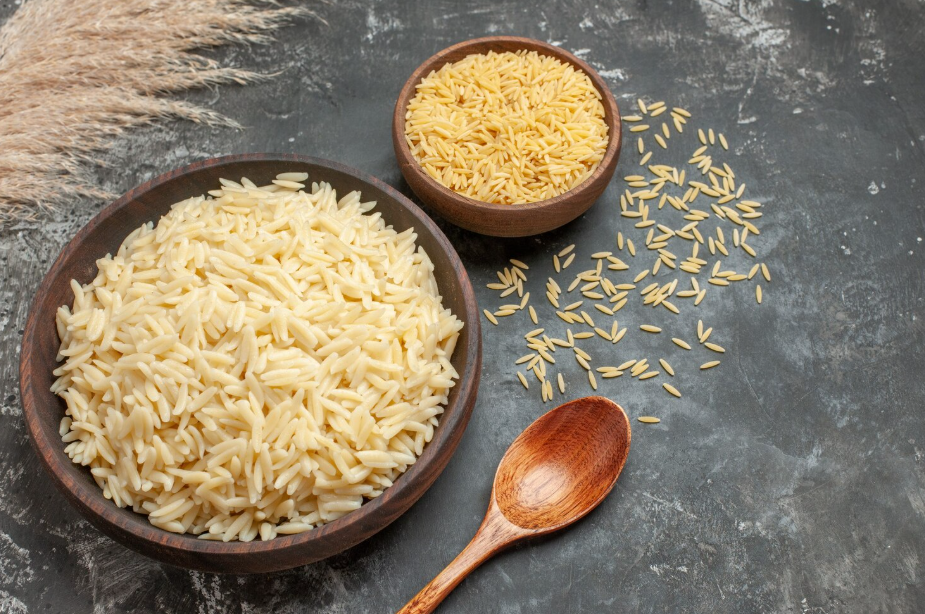
Indian food is characterized by fragrant types of rice, and there are two common varieties: Basmati rice and Sona Masuri rice. These two kinds of rice have different textures and tastes, which may be utilized in different recipes. In case you are preparing the best rice for indian cooking in Japan, it is important to know the differences between basmati rice japan and sona masoori rice Japan so that you can make the right decision regarding the source of rice to cook.
Due to the increased popularity of Indian food in Japan, Basmati and Sona Masoori rice are also in demand. Whether it be a special biryani or the daily meals, such as dal rice, it is important to have access to the authentic varieties of rice to make tasty meals. You can easily buy indian rice online in Japan, and now it is easier than ever to enjoy these authentic grains.
With the rise in the popularity of Indian food in Japan, the demand for genuine Indian types of rice has been on the increase. It is important to source the right rice, be it in a homemade meal or a special event. As Japan has a varied populace, with a significant Indian expatriate population, local markets and other indian rice brands in Japan are responding to the need to provide authentic Indian food ingredients.
Not all rice is the same, and when it comes to Indian cuisine, the right type of rice can make your dish. In a comparison of sona masoori vs basmati, they have different qualities that enable them to be used in various types of food. Being aware of these differences will help you get the best texture, aroma and flavour every time you are preparing food.
Long grain basmati rice is a variety known for its aromatic fragrance and fluffy texture. When cooked, the grains stay separate, making it perfect for special dishes like biryani, pilaf, and fried rice. Its distinct fragrance enhances the flavours of the dish, making it a favourite in Indian cuisine.
Basmati rice from Japan is a long-grained, aromatic rice that has a delicate aroma. The grains do not stick together when cooked and thus are perfect in dishes where you desire each grain to stand out. The peculiar features of this rice include a long and narrow shape as well as fragrant features. Its distinct aroma is often likened to the smell of pandan leaves, complementing such dishes as biryani, pilaf, and fried rice.
Basmati rice is the go-to choice for preparing special dishes. If you’re planning on making biryani, pilaf, or pulao, it is the best rice for indian cooking for these occasions. Its fluffy texture and aroma are perfect for dishes where the rice needs to absorb spices and remain separate.
Sona masoori rice japan is a medium-grain rice that has lower density and easier digestibility as compared to Basmati rice. It is usually used in everyday meals because it gets slightly sticky when cooked, and this goes well with gravies and curries. Sona Masoori rice is a cheaper alternative for those who often prepare Indian meals.
Sona Masoori is a medium-grain rice which is light and easily digestible. Comparing sona masoori vs basmati, Sona Masoori is generally considered to be healthier, as its glycemic index is a bit lower. It is a wonderful selection in the daily meal, being not so starchy and readily digested.
If you’re preparing simple dal and rice, sambar and rice, or vegetable khichdi, Sona Masoori rice is the best option. Its slightly sticky texture and shorter cooking time make it perfect for quick meals that are nutritious and satisfying.
These variations will help you to select the right grain to fit your specific recipe and nutritional needs.
The grains of the long-grain basmati rice are long and slender and do not stick together after cooking, and its aromatic scent is powerful and lovely.
Sona Masoori rice, however, is medium-grain and moderately viscous to cook with and more amenable to simple and everyday dishes, including dal rice and sambar rice.
The price of sona masoori rice in Japan is usually lower than that of Basmati rice, which is regarded as a high-end rice. Both forms are highly accessible in Japan; you can easily buy indian rice online japan through various specialty stores.
In choosing basmati rice or Sona Masoori, it depends on the dish you are making. Basmati rice is also wanted when there is any special event or meal, such as biryani, as it has long grains and is aromatic. However, Sona Masoori rice can be superior when it comes to everyday food because it is soft and slightly sticky.
Basmati rice that is long-grained is the most appropriate kind of rice that should be used during special occasions. The lengthy, distinct grains are the main attributes that make festive dishes unique.
Sona Masoori is a good option when it comes to eating standard meals such as dal and rice.
You can find several Indian rice brands in Japan that offer both varieties for home delivery.
Which rice is better for daily cooking in Japan?
Sona Masoori rice is ideal to use in day-to-day cooking since it is slightly sticky with a low cooking time. It is easy to digest and can be mixed with everyday Indian meals.
Is Basmati rice available online in Japan?
Yes, one can buy Indian rice online in Japan through the Indian grocery stores and websites like Bharat Bazaar. It can be bought easily at the right online shops.
What is the difference between Basmati and Sona Masoori?
When comparing Sona Masoori vs Basmati, Basmati is long-grain and aromatic, whereas Sona Masoori is medium-grain and slightly sticky. Basmati rice is also generally more expensive.
Which rice is cheaper in Japan?
Sona masoori rice from Japan is generally more affordable than Basmati rice, making it a more economical choice for daily cooking.
Can I use Basmati rice for everyday meals?
Although it is a great addition to special meals, you can use long-grain basmati rice for regular meals, although some find it too aromatic for simple dishes like dal.


Orders from ¥2000 (T&C)

Always online 24/7

100% protected payment

Money back guarantee
Leave a comment