


No products in the cart.


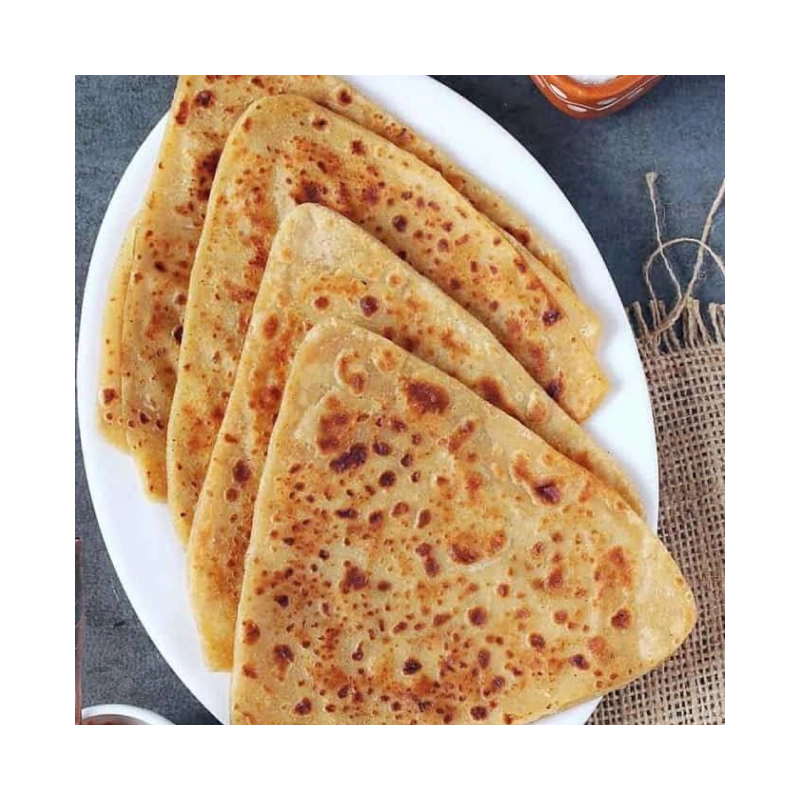
It’s Wednesday evening, the fridge is nearly empty, and making dough from scratch just isn’t happening tonight. But there’s paratha sitting in the freezer, a pack of paneer cubes ready for a quick curry, and one ready meal saved for exactly this kind of night. That small stash of frozen food is often the difference between ordering delivery for the third time this week and actually eating something that tastes like home.
For most people, frozen Indian food isn’t about giving up on cooking. It’s about planning smart enough that a busy week doesn’t derail dinner completely. With the right five or six items sitting in the freezer, frozen indian food japan shoppers rely on can turn into a full week of meals without much extra effort, and that’s really the whole point of stocking up in the first place.
A well-stocked freezer doesn’t need to be complicated. A handful of versatile items go a long way if you pick the right ones.
None of these need to be fancy. The goal is variety without excess, enough to build several different meals without the freezer turning into a mess of half-used packets.
This is where planning actually pays off. A small, well-chosen set of frozen items can stretch across an entire week without repeating the same meal twice.
Monday could be paratha with yoghurt and pickle, simple and fast for a morning that’s already running late. Tuesday might bring a paneer stir-fry with rice, using up half the paneer pack while keeping the rest for later. Wednesday, that emergency ready-to-eat curry finally earns its place, paired with frozen roti for a meal that needs almost no effort.
Thursday could turn leftover paneer into a wrap, using the same reheated paratha from earlier in the week. Friday works well for samosa or tikki with a bit of chutney, something that feels more like a treat after a long week. The weekend usually calls for something a little more put together, like paneer curry with fresh roti, cooked properly for the family rather than reheated.
Five products, seven days, barely any repetition. That’s the kind of planning that actually saves time instead of just feeling like it does.
Not every night allows for the same amount of effort, and frozen food works best when it matches how much time you actually have.
Matching the meal to the time available, rather than forcing a big cooking session on a tired evening, is really what makes frozen food genuinely useful instead of just a backup plan gathering frost in the corner.
Freezer space in Japan tends to be smaller than what many people are used to, especially in apartments built for one or two people. Flat paratha packs stack easily and don’t take up much room. Compact paneer packs work the same way, tucking neatly into narrow freezer drawers. Individually portioned meals also help, since you’re not stuck defrosting more than you need for a single dinner.
Larger packs make more sense for items used often, paneer for regular cooking or roti for a bigger family. But anything untested, a strongly flavored stuffed paratha, or a new snack you haven’t tried, is worth buying small first. There’s no point committing freezer space to something you might not enjoy.
Paratha tends to win on versatility, working for breakfast, as a wrap, or as a side without much adjustment. Frozen paratha japan households keep stocked, usually gets used more often simply because it fits into more meals than roti or naan. Roti is lighter and better suited to everyday dinners, while naan leans more toward special-occasion cooking, less of a daily staple and more of a weekend indulgence.
Cubes offer convenience, ready to toss into a curry or stir-fry without extra prep. A block gives more control, letting you cut it however a recipe calls for, though it takes a few extra minutes of work. Anyone regularly cooking with frozen paneer japan stores carry will likely find cubes better for weeknights and blocks better when cooking something more particular over the weekend.
Ready-to-cook items, like paneer or vegetables, still need some kitchen effort but offer more flexibility in how the final dish turns out. Ready-to-eat options are built for speed, heat and serve, nothing more. Both have their place, but knowing the difference before ordering avoids the disappointment of expecting a finished meal and getting raw ingredients instead.
A few habits make frozen food shopping smoother. Avoid oversized packs before checking actual freezer capacity at home. Don’t skip preparation instructions, since some items need thawing time and others don’t. Ordering too many unfamiliar products at once often leads to waste rather than variety. Delivery charges for frozen items are worth checking too, since they can differ from regular grocery orders. And refreezing anything once thawed is generally not worth the risk to taste or safety.
The process stays simple. Browse the frozen category, check what’s needed for the week ahead, and confirm portion sizes before adding items to the cart. Anyone looking to buy frozen indian food online japan should also check delivery timing, since frozen orders sometimes need faster shipping to stay properly preserved.
A well-stocked freezer isn’t about hoarding food, it’s about giving a busy week fewer chances to fall apart. Five good products, planned properly, can carry an entire week of meals without much repetition or last-minute stress.Before the next hectic week begins, it’s worth building that plan first and letting Bharat Bazaar fill in the rest.
Where can I buy frozen Indian food in Japan?
Specialist Indian grocery stores, including online retailers like Bharat Bazaar, stock a solid range of frozen items suited for everyday cooking.
Which frozen Indian products are available online?
Paratha, paneer, roti, samosas, tikki, and also ready-to-eat curries pretty much cover most of what you’ll find, though the range kind of shifts depending on the stock.
Can I order frozen paratha in Japan?
Yes, frozen paratha is one of the more popular frozen items ordered, mainly for its use across breakfast, lunch, and dinner without much prep.
Is frozen paneer available in Japan?
Yes, both paneer cubes and paneer blocks are commonly stocked, giving flexibility depending on whether a recipe calls for convenience or control.
What ready-to-cook Indian foods can I buy online?
Frozen vegetables, paneer, and curry bases sort of land in this same lane, you know, they require a bit of cooking effort, but they’re still more flexible than fully ready-to-eat meals.


Orders from ¥2000 (T&C)

Always online 24/7

100% protected payment

Money back guarantee
Leave a comment