


No products in the cart.


Ask anyone who’s cooked rice the wrong way for biryani, and they’ll tell you the dish never quite recovers. Grains turn mushy, the layers collapse into each other, and somehow the whole meal feels off even though the spices were right. For families trying to recreate that dish in Japan, finding decent basmati rice japan shoppers can rely on is usually where the real cooking starts, well before anyone thinks about cardamom or saffron.
Rice isn’t just a side dish in most Indian homes. It’s the base everything else builds on, from a rushed Tuesday dal-chawal to a weekend spread that takes half a day to prepare. And here’s the thing most people learn the hard way: rice varieties don’t behave the same way once they hit water and heat. Some stay light and separate. Others turn soft and a little sticky, which is exactly what certain dishes need. Getting familiar with these differences saves a fair amount of frustration, especially when the rice sitting in your kitchen had to travel a long way to get there.
India doesn’t run on one type of rice. Regional kitchens each lean on their own favorites, and once cooked, every variety has a personality of its own.
None of this needs to be memorized. Cook with a couple of these a few times and the differences become obvious on their own, especially once family members start noticing which rice “tastes right.”
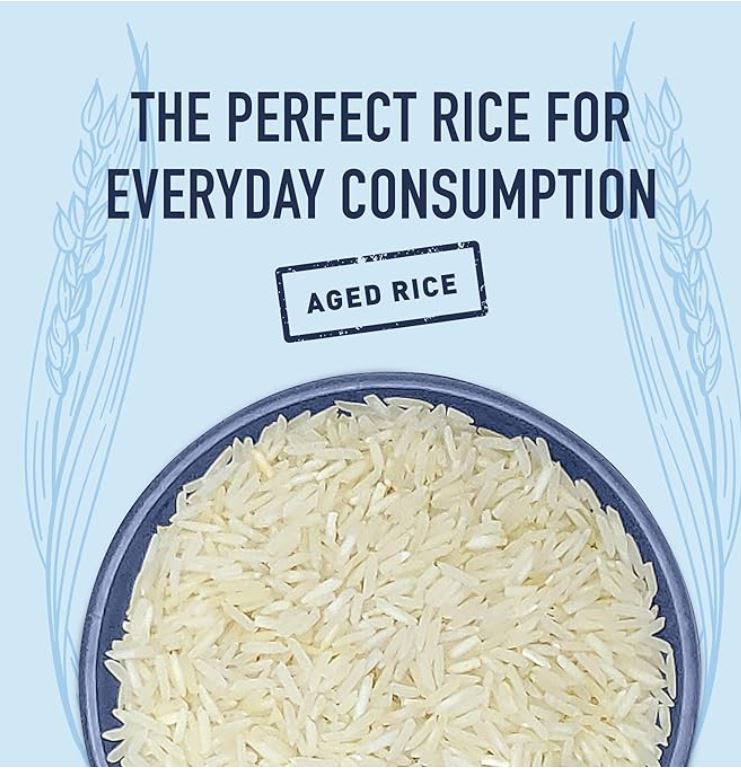
Of everything available, basmati tends to get picked first, and there’s a reason for that. Long grains, a natural aroma, and a forgiving texture make it hard to mess up even for someone who doesn’t cook rice often. Names like India Gate have earned trust over years of consistent quality, which matters more than people expect when buying rice sight unseen. You can’t smell it through a screen. Daawat holds a similar reputation, particularly among households that make biryani often enough to notice small differences in grain length and how it cooks. What keeps these brands relevant isn’t clever marketing. It’s that the rice performs the same way, batch after batch, and that kind of consistency earns loyalty quietly.
That said, basmati isn’t the answer for every meal. Sona Masoori does the job just fine for regular cooking, and having both on hand means picking rice based on the occasion instead of defaulting to one type for everything.
Rather than picking a brand first, it helps to start with the dish.
Once you’ve cooked with a few varieties, this kind of matching stops feeling like a decision and becomes second nature.
Buying rice without touching or smelling it first can feel like a gamble, especially for anyone particular about grain quality. A few checks make the process less uncertain. Look at the harvest date or packaging date if it’s mentioned; older stock tends to break more during cooking, which nobody wants in a biryani. Grain length listed on the pack is worth a glance too, particularly with buy basmati rice japan searches, since longer grains usually point to better quality. Reviews, when they exist, tell you more about how the rice cooks in a real kitchen than any product photo ever could. And delivery matters just as much as the rice itself. Orders placed through indian rice online japan platforms often travel across the country before reaching the door, so a store with a dependable track record saves a lot of guessing.
Once a variety earns a spot in your regular rotation, buying small packs repeatedly starts to feel unnecessary.
Planning this way turns rice shopping into something you think about occasionally, not something you’re constantly running out of.
Rice doesn’t often get credit for how much it shapes a meal, but it quietly does. Once the differences between varieties start making sense, cooking feels less like guesswork and more like picking the right grain for whatever’s on the stove that day.
A fragrant batch of basmati for weekend biryani, a dependable bag of sona masoori for the rest of the week, having both within reach makes everyday cooking noticeably easier. For anyone in Japan looking to build a kitchen around rice they can actually rely on, Bharat Bazaar is worth keeping on the radar.
Where can I buy Indian rice in Japan?
A handful of dedicated Indian grocery stores across Japan stock rice varieties ranging from basmati to sona masoori. Ordering online tends to be the more practical route, particularly outside the bigger cities.
Which basmati rice brand is best in Japan?
India Gate and Daawat both come up often, known mainly for consistent grain length and aroma. Either works reliably across different styles of cooking.
What is the difference between basmati and sona masoori rice?
Basmati carries long, slender grains and a distinct aroma, best suited to biryani and pulao. Sona masoori is shorter, lighter, and made for daily meals rather than special-occasion dishes.
Can I order Indian rice online in Japan?
Yes. Online ordering has become one of the simplest ways to get authentic rice varieties without relying on whatever’s sitting on a local shelf. Deliveries usually reach the door directly.
Which Indian rice is best for biryani?
Long grain basmati holds its shape through slow cooking and keeps its aroma even under layers of spice, making it the clear choice for biryani.


Orders from ¥5,999 (T&C)

Always online 24/7

100% protected payment

Money back guarantee
Leave a comment