


No products in the cart.


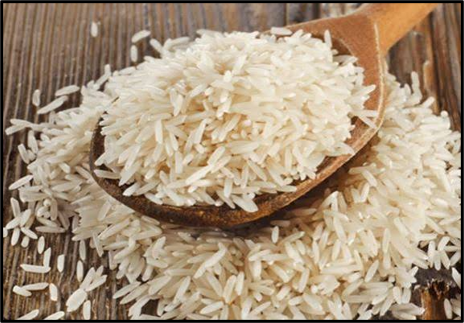
Ever ordered “Indian rice” online, only to end up with a biryani that came out stodgy instead of fluffy? You’re not alone, and it’s probably not your cooking.
Search Indian rice online Japan and a dozen bags stare back at you: Basmati, Sona Masoori, Ponni, Matta, Idli Rice. The label rarely tells you the one thing that actually matters, what dish this rice was built for. Grab the wrong bag, and your biryani turns stodgy, or your everyday South Indian meal just feels… off.
This isn’t a brand problem. It’s a “know your rice” problem. And once you understand what each variety was built to do, the whole shopping experience gets a lot easier.
Here’s something most people don’t realize: India doesn’t have one rice culture. It has several, and they rarely overlap.
What lands on a plate in Punjab looks nothing like what lands on a plate in Kerala, and rice is a big reason why.
Up north, Basmati rules. Long grains, big aroma, the star of biryani, pulao, and anything celebratory.
Down south, the story flips entirely. Sona Masoori, Ponni, and Idli Rice take over, powering sambar rice, dosa, idli, and curd rice, the everyday dishes that show up on repeat, not just on special occasions.
In Kerala, it’s Matta Rice, reddish, firm, and unmistakably its own thing, built for traditional meals, curries, and sadya spreads.
None of this happened by accident. Every region grew the rice that fit its climate, and then built centuries of cooking around it, long before “online grocery delivery” was ever a phrase.
Want proof that rice isn’t interchangeable? Try this experiment.
Cook biryani rice with Basmati, and you get long, separate grains and that unmistakable aroma, exactly what biryani is supposed to look and smell like. Swap in Sona Masoori instead, same spices, same technique, same everything else, and the texture collapses into something softer and stickier. Same recipe. Completely different dish.
Same story with sambar rice. Cook it with Ponni and the grains turn soft, soaking up every bit of flavor the sambar has to offer. Use a firmer rice instead, and the sambar just sits on top instead of soaking in.
And idli? It simply doesn’t work without Idli Rice. The grain structure is what lets the batter ferment properly in the first place. No shortcut rice gets you there.
Moral of the story: “Indian rice” is not one ingredient. It’s five or six, each doing a completely different job.
Time to put names to the textures. Here’s the cast of characters and what each one actually brings to the table.
Basmati doesn’t do “everyday.” It shows up when aroma and presentation matter, long grains, unmistakable fragrance, a texture that stays separate rather than clumping together. It’s built for pulao and special-occasion cooking, not a Tuesday night dinner. Basmati rice online Japan listings tend to be the easiest to find, since it’s the one variety almost everyone already knows by name.
This is the rice that does the actual daily work. Dal rice, lemon rice, curd rice, the meals that happen on repeat rather than once in a while. Lighter than Basmati and far more common on a weeknight table, sona masoori rice is usually where a household lands once the celebration cooking is done.
Ponni is the quiet backbone of Tamil cooking. Sambar, rasam, everyday meals, it shows up far more often at a South Indian table than Basmati ever would. Ponni rice cooks up soft on purpose, exactly the texture these dishes are built around.
Matta has personality, and it doesn’t apologize for it. Reddish, coarser, firmer than the rest of this list, it’s the rice behind Kerala curries and traditional meals. Swap it for something lighter, and Kerala cooking suddenly stops tasting like Kerala cooking.
This one isn’t eaten like rice at all. Its whole purpose is batter, soaked, ground, fermented, then turned into idli or dosa. Buy it specifically for that job rather than substituting table rice, and the difference shows up immediately in the finished batter.
Japanese short-grain rice was built for one thing: sushi and rice bowls. That’s exactly why it turns sticky and cohesive when cooked, the stickiness isn’t a flaw, it’s the entire point.
Indian rice is solving a completely different puzzle. It needs to:
None of that is what short-grain Japanese rice was designed to do. Swap one for the other, and the texture tells on you immediately, no matter how well you followed the rest of the recipe.
Skip the brand names for a second. Ask yourself these five questions first, and the shopping decision practically makes itself.
Answer these five, and that intimidating wall of bags on the site suddenly narrows down to one or two obvious choices.
Picking the right rice is only half the battle, cooking it right is what actually gets it onto your plate looking (and tasting) the way it should.
|
Rice |
Prep |
Cooking Note |
| Basmati | Wash, soak briefly | Less water than you’d expect, then rest before serving |
| Sona Masoori | Wash well | Follow the package ratio as your baseline |
| Ponni | Rinse | Give it a bit more time than lighter rice |
| Matta | Rinse | More water, longer cook |
| Idli Rice | Soak separately from urad dal | Skip the cooker, this one becomes batter |
Treat these as a starting point, not gospel. Cookers vary, and so does the rice itself, so adjust as you go.
You don’t need all five bags at once. Build your shelf around how you actually cook:
Start with whatever matches your most frequent cooking. Add the rest as your recipes demand it.
No more guessing from a shelf label. Bharat Bazaar brings together the traditional Indian rice varieties that actually match what you’re cooking, whether that’s Basmati for a big occasion or Sona Masoori for tonight’s dinner
Shop the Full Rice Collection at Bharat Bazaar.


Orders from ¥2000 (T&C)

Always online 24/7

100% protected payment

Money back guarantee
Leave a comment