


No products in the cart.


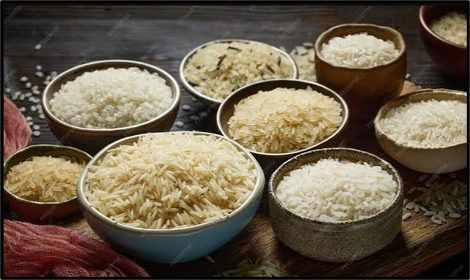
Buy the wrong rice, and even a familiar recipe can feel slightly off. Sambar needs the softer, everyday texture of Ponni or Sona Masoori, idli batter needs rice suited to soaking and grinding, and a Kerala meal calls for something else entirely. If you’ve been shopping for Indian rice online in Japan and aren’t sure which of the four you actually need, this guide breaks down Ponni Boiled, Sona Masoori, Idli Rice, and Matta Rice, what each one is built for, and how to pick between them.
South Indian kitchens don’t treat rice as one single ingredient. The variety changes depending on the region, the cooking method, and whether the rice ends up on a plate whole or ground into a batter. A pot of sambar rice doesn’t need the same grain as a batch of idli, and Kerala-style meals lean on a texture again.
That’s really where Ponni, Sona Masoori, Idli Rice, and Matta start to differ:
Knowing which one fits your dish makes the shopping part a lot easier.
Each of these four varieties earns its place in a South Indian kitchen for a different reason, whether that’s everyday texture, regional tradition, or the specific job it does in a recipe. Below is a closer look at what makes Ponni, Sona Masoori, Idli Rice, and Matta different from one another, along with what’s currently available through Bharat Bazaar.
Ponni is closely tied to Tamil Nadu, and the boiled, or parboiled, version shows up on a lot of South Indian dinner tables. It cooks soft, which makes it a natural match for sambar, rasam, vegetable curries, and curd rice. Bharat Bazaar’s Ramajeyam Rajabogam Ponni Boiled Rice and other trusted rice brands such as India Gate, Daawat, and Gajanan comes in a 5kg pack, better suited to a household cooking with it regularly than one trying it for the first time.
Sona Masoori is a medium-grain rice associated with Andhra Pradesh, Telangana, Karnataka, and Tamil Nadu, and it’s popular precisely because it’s light enough to pair with almost anything. Dal rice, curries, curd rice, lemon rice, it works with all of it without weighing the meal down. So why pick Sona Masoori over Ponni? Mostly texture preference.
Sona Masoori has a lighter feel on the plate, while Ponni leans a bit softer. Neither is objectively better, it comes down to what you’re used to and what the rest of the meal calls for. Bharat Bazaar carries Sona Masoori in both 1kg and 5kg packs, so trying it out doesn’t require committing to a large order.
Idli Rice plays a different role than the other three. It’s primarily chosen here for batter preparation rather than for eating on its own. It gets soaked, ground together with urad dal, fermented, and turned into idli or dosa.
Buying rice suited to this process matters more than grabbing whatever’s cheapest that week, since the texture of the finished batter depends heavily on the rice used. If idli and dosa are a regular part of your kitchen, it’s worth keeping Idli Rice on hand rather than substituting table rice. Bharat Bazaar stocks Idli Rice in a 1kg pack alongside its larger sizes, so it’s easy to pick up a smaller quantity to start.
Matta Rice, sometimes called Kerala Matta rice, is easy to spot by its reddish, coarser grain and firmer bite once cooked. It’s strongly associated with Kerala, particularly the Palakkad region, and it turns up regularly in Kerala curries and sadya-style meals. It also takes a bit longer to cook than lighter white rice varieties, so it’s worth building that extra time into your plans. Bharat Bazaar lists Ramajeyam Vadi Matta Rice in a 5kg pack.
Unlike long-grain Basmati, these four varieties play a different role in the kitchen altogether, built for everyday South Indian meals and batter-based dishes rather than for biryani or pilaf.
Here’s how the four compare at a glance.
|
Rice |
General Character | Best Use |
Best For |
| Ponni Boiled | Soft, everyday rice | Sambar, rasam, curries | Regular South Indian meals |
| Sona Masoori | Lighter medium-grain rice | Dal rice, curd rice, mixed rice dishes | Everyday cooking |
| Idli Rice | Meant for batter preparation | Idli, dosa | South Indian breakfast cooking |
| Matta Rice | Fuller, firmer, distinctive grain | Kerala curries and meals | Kerala-style cooking |
Japanese short-grain rice cooks up sticky and cohesive, which is exactly what it’s meant to do. Ponni, Sona Masoori, Idli Rice, and Matta all behave differently once cooked, ranging from soft and separate to firm and distinct depending on the variety and the dish it’s going into. Swap Japanese rice into an Indian recipe, or the reverse, and the final result changes. It isn’t that one is better than the other, they’re just built for different cooking traditions.
Once you know which rice fits which dish, the rest is mostly logistics, but it’s worth getting right. Pack size, price, and how the rice was processed all affect what shows up in your kitchen and how far it stretches. Here’s what actually matters when you’re placing the order.
A bag of Matta Rice won’t help much if what you actually need tomorrow morning is Idli Rice for the batter. Start with the dish you’re planning, then choose the rice around it.
Bharat Bazaar stocks these varieties across a few different pack sizes, generally 5kg, with both Sona Masoori and Idli Rice also available in smaller 1kg packs. As a rough guide:
Pricing shifts over time, so it’s worth checking the current listing and working out price per kilogram at the time you order rather than relying on numbers that might be outdated by the time you read this.
Ponni Boiled and Matta are both parboiled rather than sold as raw white rice, meaning the paddy is partially boiled before milling. That process changes the grain’s texture and how long it takes to cook, which is worth knowing going in so a parboiled variety doesn’t catch you off guard when it behaves differently from a raw one in the same recipe.
Availability can shift from time to time, so it’s worth checking current stock before placing a larger order.
Buying the right variety is only half the job, cooking it the right way is what actually makes the difference on the plate. Three of these go straight into a rice cooker, while one skips the cooker altogether and heads into a batter instead. Here’s how to handle each.
Rinse until the water runs mostly clear, then cook in a standard rice cooker. Use the package directions as your starting point and adjust water levels based on your cooker and preferred texture.
Sona Masoori cooks in a similar way to Ponni but tends to come out a touch lighter. Rinse well, follow the package’s water ratio as a baseline, and adjust from there.
Soak the rice separately from the urad dal, then grind, combine, and let the batter ferment before cooking it as idli or dosa. This one skips the rice cooker entirely, the rice is an ingredient in the batter, not a finished dish on its own.
Matta generally needs more water and a longer cooking time than lighter white rice. Start with the package instructions and expect to adjust slightly depending on your rice cooker and how firm or soft you like the final texture.
Whether you need soft everyday Ponni, lighter Sona Masoori, rice built for idli batter, or Matta for Kerala-style meals, choosing by dish first makes the rest of the decision straightforward. Bharat Bazaar carries all four varieties, so keeping South Indian cooking consistent doesn’t mean settling for whatever rice happens to be nearby.
Shop the Full Rice Collection at Bharat Bazaar.


Orders from ¥2000 (T&C)

Always online 24/7

100% protected payment

Money back guarantee
Leave a comment