


No products in the cart.


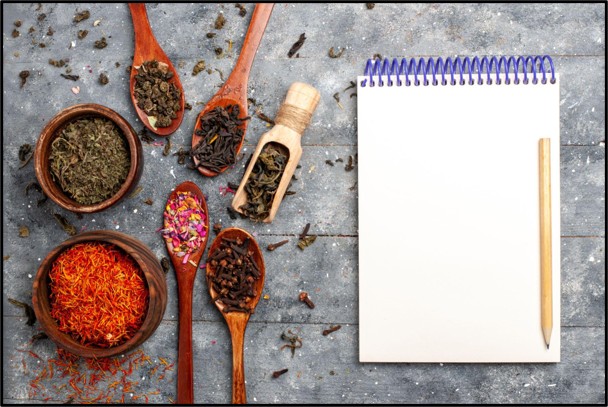
Same vegetables. Same recipe. Maybe even the same cooking video paused and rewound a dozen times. And yet the dish still doesn’t taste like the Indian food you remember.
Nine times out of ten, it’s not the recipe. It’s the spice foundation underneath it.
Indian cooking isn’t built around one curry powder shaken out of a single jar. It’s built in layers, whole spices that release aroma the moment they hit hot oil, powdered spices that build flavor depth, and finishing touches that pull the whole dish together at the end. Understanding which Indian spices online Japan shoppers actually need isn’t about collecting a shelf full of bottles.
It’s about understanding how Indian flavor gets built in the first place.
Here’s the thing about that one jar labeled “curry powder” on a Japanese supermarket shelf: it’s trying to do a job that Indian cooking never asks one spice blend to do.
Real Indian cooking doesn’t rely on a single all-purpose mix. It leans on a handful of individual spices, each with a specific job:
A generic curry powder tries to cram all of that into one jar. Real Indian cooking spreads the work across several, which is exactly why the flavor never quite lines up when you’re working from a single all-purpose blend.
Forget trying to buy one of everything at once. Here’s what actually earns a spot on the shelf and why.
Turmeric is the one spice almost no Indian dish skips. It goes into dal, vegetables, and curries, quietly doing the work of building an earthy, foundational flavor before anything else is added.
Cumin, whole or ground, is the aroma-builder. Toss whole seeds into hot oil and you get that bloom of fragrance that kicks off a proper tadka, or use it ground to season rice dishes and curries.
Coriander powder is the balancer. It smooths out sharper flavors and gives a lot of Indian gravies their rounded, comforting body.
Chilli powder controls the heat, and the color. Different varieties bring different levels of warmth, so it’s worth having on hand rather than relying on a single generic “spicy” flavor.
Garam masala ties it all together. Think of it less as one spice and more as the finishing note, a warm, aromatic blend added near the end of cooking that pulls a dish’s flavors into focus. Nearly every recipe that calls for garam masala is leaning on it to do exactly that job.
Five ingredients. Endless combinations. That’s really the whole trick behind Indian home cooking.
Once the core five are covered, it helps to understand the difference between whole and ground spices, since a well-stocked kitchen genuinely needs both.
Whole spices like cumin seeds, cardamom, cloves, cinnamon, and mustard seeds do their best work in tempering, that quick sizzle in hot oil that kicks off a dish and gives rice dishes their signature aroma.
Ground spices, turmeric, chilli powder, and coriander powder among them, are what actually build the layered flavor of a curry as it cooks, seasoning the dish from the inside rather than just the surface.
Neither replaces the other. A curry made with only ground spices misses that opening burst of aroma, and a dish relying only on whole spices misses the depth that ground spices build over a longer cook.
Once you know what you’re looking for, brand recognition makes the shopping part a lot faster.
MDH is the name most Indian households already know, the familiar masala cabinet staple with a wide range covering everything from regional blends to everyday essentials like garam masala, chana masala, and kitchen king masala. It’s the brand a lot of people grew up with, which counts for something when you’re trying to recreate a taste from memory.
Everest takes a slightly different angle, leaning into recipe-specific convenience. Chole masala, pav bhaji masala, garam masala, each blend built around a specific dish rather than general seasoning. If you know exactly what you’re cooking tonight, Everest often has a blend built for precisely that.
Between the two, there’s a simple way to think about it: individual spices give you flexibility to build a dish from scratch, while masala blends from brands like MDH and Everest hand you convenience when you already know what you’re making. Both belong on a well-rounded Indian cooking essentials shelf.
Rather than buying one of everything, it’s easier to shop around the dishes you actually cook.
Pick the category that matches what’s actually on your weekly menu, and the shopping list writes itself.
Spices don’t really lose their punch from age alone. The real enemies are moisture, heat, and air exposure, all three of which Japan’s humid summers deliver in abundance.
A few habits go a long way:
Get this right and a spice shelf holds its flavor far longer than most people expect, even through a Tokyo summer.
Once the basics are stocked, there’s one dish that puts them all to work at once: dal tadka.
It’s a simple, everyday dal, but it leans on turmeric, cumin, chilli powder, and garam masala all at once, each one doing exactly the job described above. Turmeric builds the base as the lentils cook. Cumin blooms in hot oil for the tempering poured over the top at the end. Chilli powder brings the heat. Garam masala finishes it off with warmth and depth right before serving.
Cook it once, and the roles each spice plays stop being theoretical. You’ll taste the difference between the base, the aroma, and the finish in a single bowl.
From everyday turmeric and cumin to trusted masala brands like MDH and Everest, Bharat Bazaar helps bring the spices behind authentic Indian cooking to kitchens across Japan.
Shop Indian Spice Essentials at Bharat Bazaar.


Orders from ¥2000 (T&C)

Always online 24/7

100% protected payment

Money back guarantee
Leave a comment